
2026-08-20 ·
How to Troubleshoot a Freezer Not Freezing Properly in Hot Weather
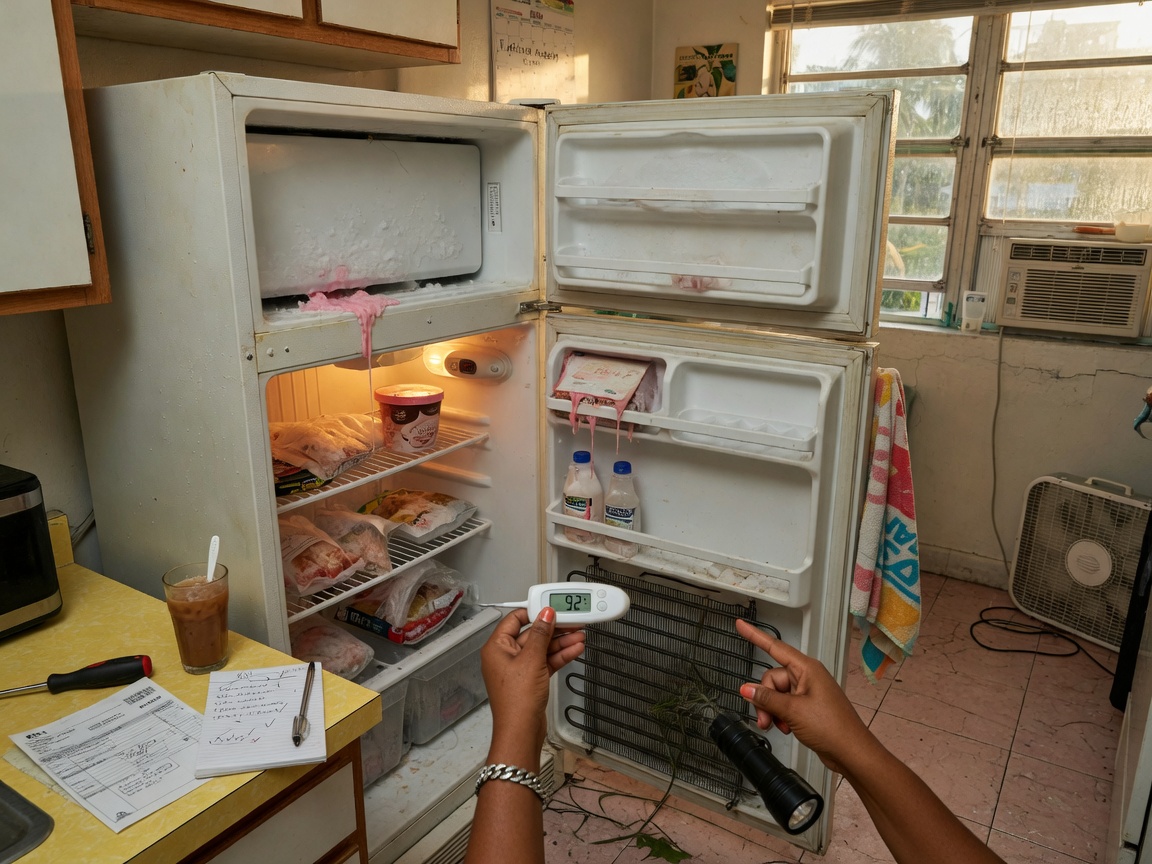
In Miami's tropical monsoon climate, begin troubleshooting a freezer not freezing properly by confirming the thermostat is set to 0°F or below and allowing 24 hours for the unit to stabilize before further checks. Hot wet summers drive up ambient temperatures around 85–90°F for months, forcing compressors to work harder in homes across Miami-Dade County. Older housing stock in neighborhoods like Little Havana and Overtown often features tighter kitchen layouts with limited ventilation, while newer condos in Brickell and the Design District may have built-in units that trap heat. Start simple: listen for the compressor running and feel for cold air escaping the vents. If the unit still fails to drop below 10°F after these basics, move to the next inspections.
Verify Temperature Settings and Internal Conditions
Set the freezer control to its recommended range of 0°F to -5°F and avoid frequent door openings during peak afternoon heat in Miami. Place a thermometer inside for an accurate reading rather than relying on the dial alone. In homes near Wynwood or the Design District, where kitchens often sit close to living areas with high foot traffic, warm air enters every time the door opens. Check that food items are not blocking rear vents, which reduces cold air circulation and raises internal temperatures quickly. Residents in Coral Gables with larger older freezers sometimes notice frost buildup on coils from the humidity; clear any ice manually with a plastic scraper and towel. Allow the unit to run undisturbed for a full day after adjustments, especially during the wet season when outside moisture adds load. If temperatures remain above 10°F, the issue likely lies deeper than settings.
Inspect Door Seals and Gaskets for Humidity Damage
Run a dollar bill test along the gasket edges—if it slides out easily, warm humid air from Miami's summers is leaking inside and preventing proper freezing. Clean the rubber seals with mild soap and water, then apply a thin layer of petroleum jelly to restore flexibility after years of exposure to salt air near Biscayne Bay. In Brickell high-rises and Coconut Grove townhomes, doors often close against uneven floors from settling foundations, creating small gaps. Replace gaskets that show cracks or brittleness, as these parts typically last 8–12 years in the local climate. Test the door alignment by ensuring it swings shut firmly without forcing. Persistent warm spots along the seal edges point to the need for professional adjustment rather than continued DIY attempts.
Clear Airflow Obstructions and Clean Condenser Coils
Pull the freezer away from the wall and vacuum the condenser coils at the bottom or rear every three months to remove dust that mixes with Miami's high humidity and reduces efficiency. Blocked coils force the compressor to run longer cycles, especially when outdoor temperatures stay above 85°F for weeks. In single-family homes around Hialeah or North Miami, pet hair and kitchen grease accelerate buildup. Ensure at least 2 inches of clearance on all sides for proper ventilation, a common shortfall in compact kitchens of Downtown Miami apartments. Wipe interior walls and shelves to remove any spills that could freeze and restrict air movement. After cleaning, monitor the temperature again for 24 hours. Consistent high readings after this step often indicate fan or compressor strain common in the region's older appliances.
Account for Local Power Fluctuations and Storm Effects
Miami-Dade County experiences frequent brief outages during afternoon thunderstorms, which can reset electronic controls and leave freezers struggling to recover in ongoing heat. Check the power cord and outlet for secure connections, then test the circuit with another appliance. In areas like Little Havana or Overtown with older wiring, voltage drops during peak summer demand affect compressor performance. If the unit runs but never reaches freezing, note how long it has been since the last full defrost cycle—excess frost from humid air insulates the cooling surfaces. For units still underperforming after these steps, review related guidance on post-storm checks before scheduling service. Persistent problems in homes across Coral Gables or Wynwood typically require component-level diagnosis rather than basic adjustments.