
2026-08-20 ·
What to Check After a Storm Knocks Out Power in Miami
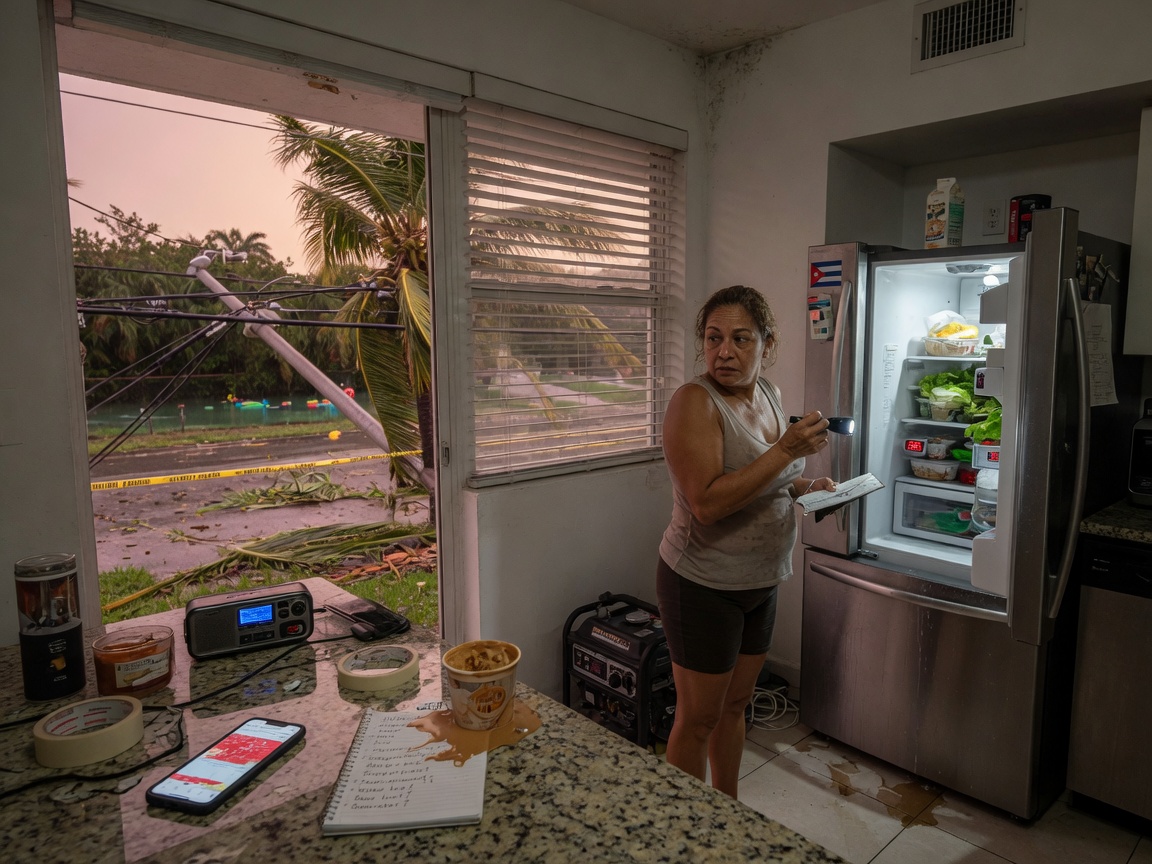
After a storm knocks out power in Miami, start by resetting the main breaker at the panel, testing the refrigerator for temperature loss above 40°F, and scanning outlets for burn marks before running any major appliance. In Miami-Dade County neighborhoods such as Brickell and Downtown Miami, where many buildings date from the 1970s and 1980s, older wiring can overheat when loads return suddenly. Residents in Little Havana and Overtown face added risks from humidity that lingers after tropical monsoon rains, allowing moisture to reach electrical components. Checking these items first prevents larger failures in the hot wet summers typical here.
Inspecting the Electrical Panel and Outlets
In Miami-Dade County, storm outages frequently trip breakers due to lightning or flooded transformers. Open the panel and look for tripped switches or signs of arcing on the bus bars. Test each circuit by plugging in a small lamp before restoring full load to appliances. Homes in Coconut Grove and Coral Gables often have aluminum wiring from the 1960s that expands and contracts with temperature swings, creating loose connections. After power returns, run one circuit at a time for 15 minutes and monitor for warm outlets. This step-by-step approach catches faults before they affect larger systems in the Design District or Wynwood lofts where mixed-use buildings share panels.
Checking Refrigerators and Freezers
Food safety depends on how long temperatures stayed above 40°F. Open the refrigerator and note any melted ice or off odors that indicate spoilage. In Miami's tropical climate, units in apartments near Bayside Marketplace or the Pérez Art Museum lose cooling faster because of high ambient humidity. Test the compressor by listening for a steady hum after 30 minutes of power. If the unit cycles on and off rapidly, the start relay may have failed from voltage surges common after storms. Refrigerator Repair addresses these issues when seals or thermostats show damage from repeated outages.
Evaluating Ovens, Stoves and Microwaves
Electronic control boards in ovens and microwaves can short from power spikes once electricity returns. In North Miami and Hialeah homes, where kitchens see heavy use during summer, check that the digital display powers on without error codes. Run the oven at 350°F for 10 minutes and verify even heating. Stoves with electronic igniters may need manual lighting if the spark module was affected. Residents near Marlins Park or Freedom Tower should also inspect range hoods for moisture that entered during heavy rains. Local Guide to Oven and Stove Maintenance for Miami Kitchens explains how salt air accelerates corrosion on these components.
Assessing Washers, Dryers and Dishwashers
Water intrusion during storms can reach laundry rooms in single-story homes common in Overtown and Design District. After power returns, run a short empty cycle on the washer and listen for unusual grinding. Dryers should vent properly; clogged lint traps worsen when humidity stays high for days. Dishwashers in Coral Gables or Coconut Grove may show error lights if the float switch stuck from standing water. Understanding Appliance Energy Use During Peak Miami Summers covers how these units draw extra current when struggling after an outage. Always verify door seals remain flexible and free of debris before normal use.
Knowing When Further Checks Are Needed
If any appliance fails to start, emits burning smells, or trips the breaker repeatedly, stop use and schedule service. Miami-Dade County residents can reach Katodica LLC at 7901 NW 7th Ave #209, Miami, FL 33150 during Mon–Sat 8am–7pm. Document any visible damage with photos before attempting resets. This prevents secondary failures in the weeks after storms when demand for repairs rises across Miami Beach and surrounding cities.