
2026-08-20 ·
Maintaining Your Refrigerator in Miami's Humid Climate
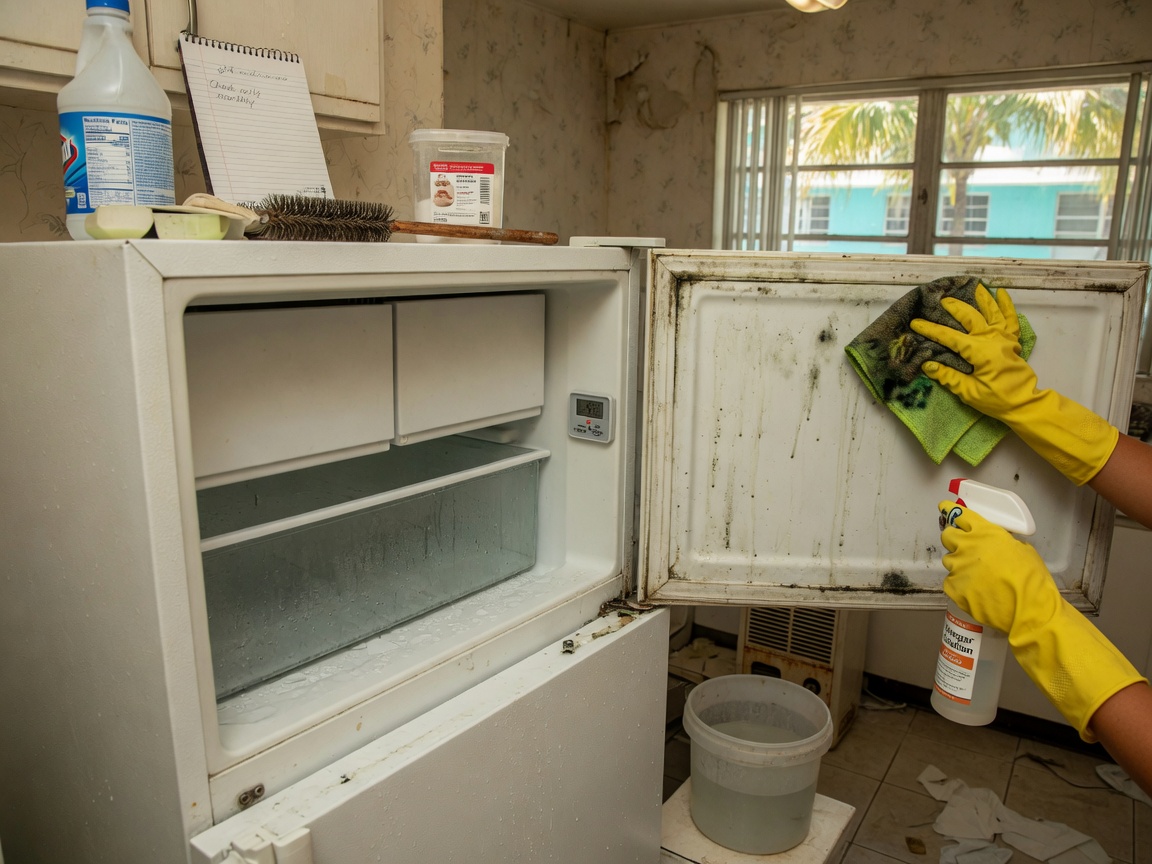
In Miami's tropical monsoon climate, wiping door gaskets weekly and vacuuming condenser coils every 60 days keeps most refrigerators running without major issues through the wet season.
How Humidity Affects Refrigerator Components
Constant moisture in Miami-Dade County accelerates frost buildup on evaporator coils and degrades rubber door seals faster than in drier regions. Homes in Brickell and Wynwood often sit close to the bay, where salt air adds corrosion to metal parts. Residents notice condensation dripping inside units after heavy afternoon storms common from June through October. Checking the defrost drain monthly prevents water from pooling and fostering mold near the crisper drawers. In Little Havana and Overtown, older concrete buildings retain more indoor humidity, so placing a small dehumidifier nearby reduces the load on the appliance's compressor.
Daily and Weekly Habits for Local Homes
Keep the temperature at 37°F in the fresh-food section and 0°F in the freezer to counter the warm air that enters every time doors open in air-conditioned spaces. Clean interior surfaces with a mild baking-soda solution once a week to remove sticky residue that humidity makes harder to scrub later. In Coconut Grove and the Design District, where kitchens often open to outdoor patios, avoid placing the unit directly in front of windows that receive direct afternoon sun. Rotate stored items so nothing blocks air vents at the back, which helps the appliance maintain even cooling during peak summer humidity spikes.
Seasonal Checks Before Wet Weather Arrives
Before the rainy season, inspect the door seal by closing it on a dollar bill; if the bill slides out easily, replace the gasket to stop moist air infiltration. Move the refrigerator 2–3 inches from the wall so coils receive better airflow in tightly packed urban kitchens common in Hialeah and North Miami. Homeowners in Coral Gables with vintage 1950s–1970s housing stock benefit from scheduling coil cleaning before June, when outdoor temperatures regularly exceed 90°F and indoor humidity stays above 70 percent. These steps reduce strain on the compressor during the months when the unit works hardest.
Knowing When Professional Service Is Needed
Persistent frost on the back wall or water pooling under the crisper drawers after basic cleaning points to a failing defrost heater or clogged drain line. Refrigerator repair technicians familiar with Miami Beach and Coral Gables stock parts for common brands found in local high-rises. If the compressor runs nonstop yet temperatures climb, the unit may need refrigerant evaluation rather than continued DIY attempts. For related guidance on freezer performance during hot spells, see how to troubleshoot a freezer not freezing properly in hot weather. Katodica LLC at 7901 NW 7th Ave #209 serves these neighborhoods Monday through Saturday from 8am to 7pm.