
2026-08-20 ·
Understanding Appliance Energy Use During Peak Miami Summers
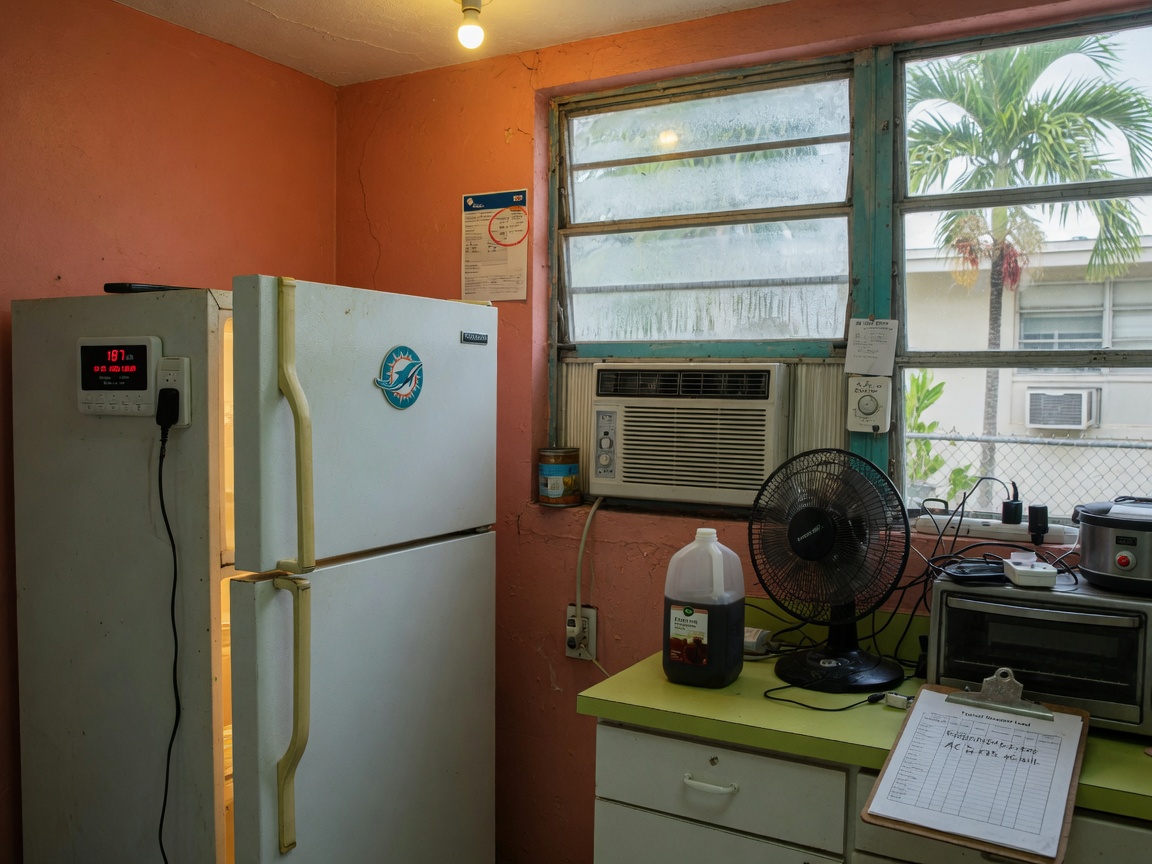
In Miami's tropical monsoon climate, refrigerators often consume 15-25% more electricity during July and August peaks than in milder months as they fight constant 88-92°F heat and high humidity across Miami-Dade County homes.
Refrigerator Performance in Humid Miami Summers
Miami summers keep compressor cycles running longer in older single-family homes common in Little Havana and Overtown. A typical 20-cubic-foot unit may draw an extra 2-4 kWh daily when outdoor temperatures stay above 85°F for weeks. Condenser coils collect moisture faster near the coast, reducing efficiency unless cleaned every 4-6 weeks. Residents in Brickell high-rises and Coral Gables bungalows report similar spikes because building orientation and window exposure trap heat around the appliance. Refrigerator repair becomes relevant when seals fail under this constant load, allowing cold air to escape and forcing longer run times. Checking door gaskets monthly and keeping the unit 2-3 inches from walls for airflow helps maintain baseline performance even when humidity exceeds 80%.
Washer and Dryer Cycles Under Heat Stress
Washing machines in Miami-Dade County homes face added strain during peak summer because warm incoming water from city lines raises internal temperatures, extending wash times on standard cycles. A front-loader in a Wynwood loft might use 0.5-0.8 kWh per load when ambient humidity prevents quick drying between uses. Electric dryers then work harder in homes without good ventilation, especially in Coconut Grove and Design District properties where older ductwork traps moist air. Running full loads only and using cold-water settings cuts energy by 20-30% compared with warm cycles. Homeowners near Bayside Marketplace often schedule laundry before 10 a.m. to avoid afternoon peak utility rates that climb with overall grid demand.
Oven and Stove Usage Patterns in Local Kitchens
Self-cleaning ovens and cooktops see heavier use during summer gatherings in Coral Gables and Downtown Miami, where indoor entertaining replaces outdoor grilling on rainy days. A standard electric range can add 3-5 kWh for a single self-clean cycle that coincides with already elevated room temperatures. Preheating times lengthen slightly when kitchen air starts at 82°F instead of 72°F. Local Guide to Oven and Stove Maintenance for Miami Kitchens covers simple steps such as wiping spills immediately to prevent extra heating cycles. Using smaller countertop appliances for reheating instead of the full oven reduces both energy draw and heat output into living spaces already stressed by outdoor conditions.
Monitoring Consumption After Weather Events
Tropical storms common in Miami-Dade County can interrupt power and reset appliance settings, leading to unnoticed efficiency losses once service returns. Checking defrost timers on freezers and verifying that refrigerator temperatures return to 37°F within four hours prevents gradual energy creep. What to Check After a Storm Knocks Out Power in Miami outlines safe restart procedures for units in areas like North Miami Beach and Hialeah. Tracking monthly kWh on the utility bill against the same period last year reveals whether summer loads have increased beyond normal climate effects, guiding targeted maintenance without guesswork.